Products


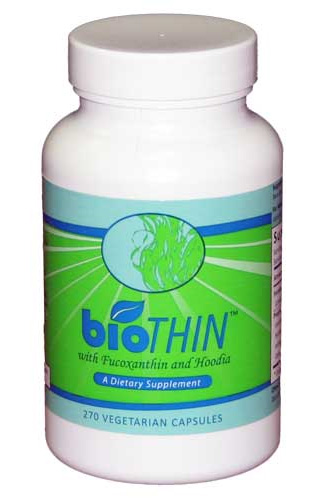
Biothin
Biothin List Price: $112.41
Your Price: $78.67
You Save: $33.74
(30.02%)
Order Now
Whey Protein
Whey Protein List Price: $120.91
Your Price: $97.00
You Save: $31.91
(24.75%)
Order Now
Probiotics
Probiotics List Price: $119.05
Your Price: $77.85
You Save: $42.00
(35.04%)
Order Now
Coconut Oil
Biothin List Price: $27.75
Your Price: $24.45
You Save: $3.00
(10.93%)
Order Now
Psyllium Fiber
Psyllium Fiber List Price: $79.00
Your Price: $64.97
You Save: $14.91
(18.67%)
Order Now
No-Grain Diet
No-Grain Diet List Price: $15.00
Your Price: $10.20
You Save: $4.80
(32%)
Order Now
Showing posts with label gluten-free diet. Show all posts

Friday, December 3, 2010

Can Supplements Help Fight Celiac Disease?


A World Journal of Gastroenterology study recently found that Celiac patients who regularly take B-vitamin supplements were able to reduce their homocysteine levels.

The study looked at the effects of taking daily vitamin B6, vitamin B9, and vitamin B12 supplements on the homocysteine levels of patients with Celiac disease or gluten intolerance. Homocysteine is a harmful amino acid associated with a higher risk of coronary heart disease and stroke. Newly diagnosed Celiac disease patients frequently experience hyperhomocysteinemia or abnormally high homocysteine levels in their blood.

Researchers also noted that B-vitamin supplements may help protect against the effects of villous atrophy or intestinal damage.

What is Celiac Disease?

Celiac disease or gluten intolerance is an autoimmune condition that attacks your intestines and entire digestive system. It occurs when a person is unable to digest gluten, a common protein found in barley, rye, wheat, and other grains.

The symptoms of Celiac disease are manifested differently in each individual. Abdominal pain, constipation, diarrhea, malabsorption of nutrients, and nausea are some of the most common symptoms. Celiac disease can also cause non-gastrointestinal symptoms like anemia, depression, fatigue, infertility, and weight issues -- either weight gain or loss.

Malabsorption is often associated with Celiac disease. Those suffering from gluten intolerance may often struggle with several nutritional deficiencies, including lack of:

• Calcium
• Essential fatty acids
• Folic acid (folate or vitamin B9)
• Iron
• Magnesium
• Vitamin D
• Vitamin K

Fight Celiac Disease with the No-Grain Diet

Avoiding gluten in your diet is the most effective way to deal with Celiac disease. Not consuming gluten for a week or two typically results in significant improvement.

But it’s not enough for you to avoid grains if you are gluten-intolerant. It’s also important to pay attention to the quality of all the other foods you eat. You should also avoid processed foods, which often have hidden gluten.

Food manufacturers are not required by law to list all possible sources of gluten on their product labels. Gluten may be present in processed foods like candies, cold cuts, low-fat and zero-fat products, ready-made soups, and soy sauce, just to name a few, under labels such as hydrolyzed vegetable protein (HVP), malt, natural flavoring, starch, and texturized vegetable protein.

A gluten-free diet like Dr. Mercola’s No-Grain Diet helps keep Celiac disease under control. The No-Grain Diet will also help you avoid the other dangers of grains and sugars. Grain-based and sugar-rich foods are inherently pro-inflammatory and will worsen any condition that has chronic inflammation at its root--not just inflammation in your gut, but anywhere in your body.

Friday, October 1, 2010

Gluten-Free Diet More than Just a Trend

The gluten-free diet is gaining popularity and getting more publicity nowadays. More restaurants and caterers are offering gluten-free meals.

Chelsea Clinton’s nuptials featured a gluten-free wedding cake as the former first daughter was said to have gluten intolerance.

While dieters may think that going gluten-free is just another food trend or diet fad, the truth is, many people will benefit from eliminating gluten from their diets, Dr. Joseph Mercola points out.

About one percent of Americans – one out of every 133 people – are allergic to gluten, a protein found in grains such as barley, rye, and wheat that damages the small intestine and prevents your body from absorbing nutrients.


Why You Should Avoid Gluten and Grains – Even if You’re Not Gluten Intolerant

Dr. Mercola believes that many people, perhaps even the majority of the population, are adversely affected by gluten on some level. These people may not have full-blown gluten intolerance or Celiac disease, just minor reactions to gluten.

But despite its rapidly increasing prevalence, gluten intolerance is still commonly misdiagnosed and even missed. On the average, it takes as long as four years to reach a diagnosis, provided that you’re symptomatic, Dr. Mercola explains.

He also warns that the delay in proper diagnosis can dramatically increase your risk of developing autoimmune disorders, cancer, neurological problems, and osteoporosis.

Gluten may also be one of the causes of grain addiction. When digested, gluten produces addictive, heroin-like substances called exorphins. This could contribute to appetite disorders and mental disturbances often associated with food-related illnesses.


Beat Gluten Intolerance with the No-Grain Diet

Abdominal pain, constipation, diarrhea, and nausea are some of the common symptoms of gluten intolerance. Celiac disease may manifest clinically with an array of non-gastrointestinal symptoms, such as anemia, depression, fatigue, infertility, organ disorders, and more. A blood test can confirm if you’re gluten intolerant.

But a gluten-free diet may not be enough for you to avoid all traces of gluten. A new study discovered that even naturally gluten-free flours, grains, and seeds can still be contaminated by gluten.

Only a grain-free diet like Dr. Mercola’s No-Grain Diet will help you deal with Celiac disease and eliminate gluten completely. Taking a probiotics supplement while going grain-free can also help reduce the inflammation associated with gluten.
 

*These statements have not been evaluated by the Food and Drug Administration. This product is not intended to diagnose, treat, cure or prevent any disease. If you are pregnant, nursing, taking medication, or have a medical condition, consult your physician before using this product.
NoGrainDiets.com